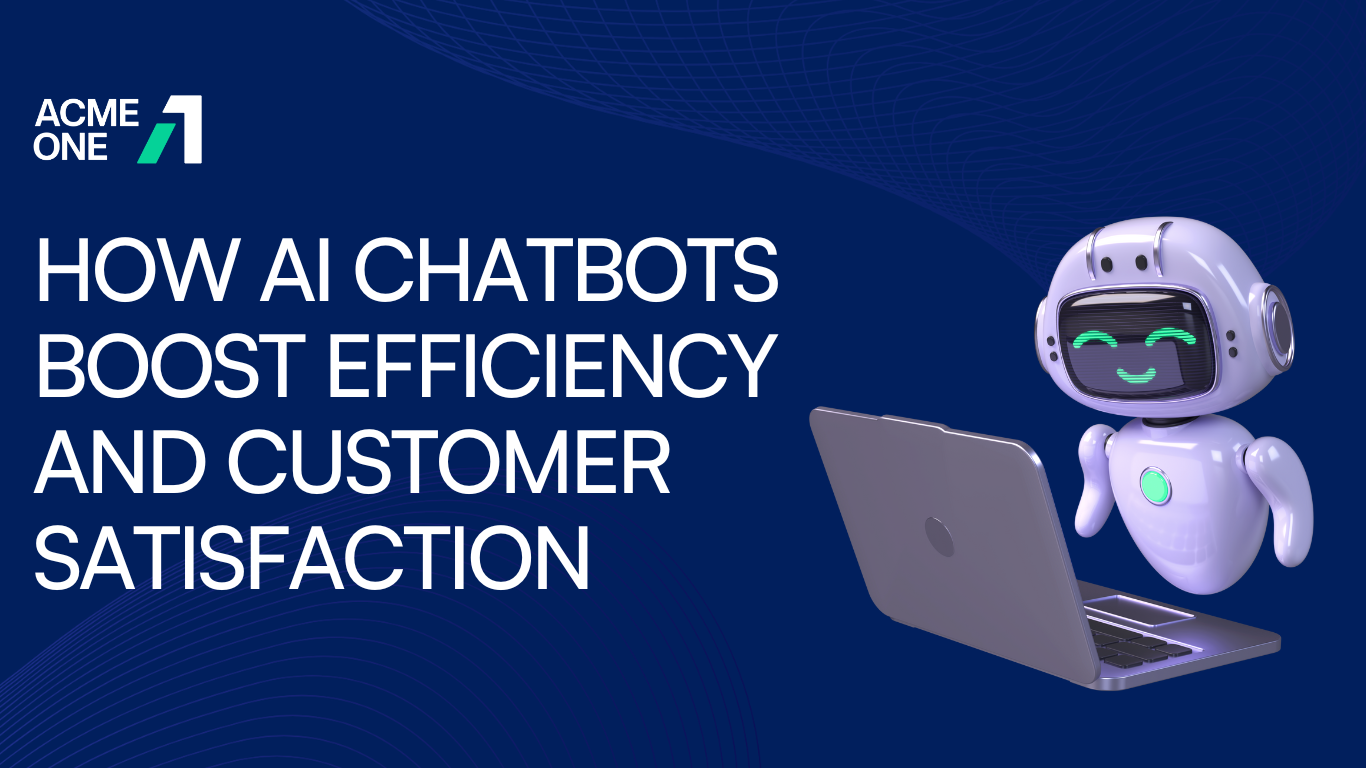
In the digitized business world, organizations enhance operational efficiency. These organizations have a duty to meet rising customer expectations. A technology that is productive in solving these challenges is generative AI chatbots. AI chatbots are changing based on customer support and internal task automation. These chatbots have transformed how businesses operate and engage with users. Let’s discuss in this blog how AI chatbots enhance efficiency. We will also see how the companies find ways to improve operations.
The Purpose of Conversational AI in Business
AI chatbots are computer programs that use artificial intelligence to affect human conversations. These human conversations by AI chatbots are done through text or voice. AI chatbots can be used for customer support and internal operations. Unlike traditional chatbots, generative AI chatbots understand context and generate natural responses.
In modern businesses, AI chatbots are used for:
- Customer support and service desks
- Sales assistance and lead qualification
- Appointment scheduling and order tracking
- Internal employee support and knowledge access
Benefits of Using AI Chatbots
Enhanced Customer Service
AI chatbots support businesses to provide 24/7 customer support. These AI chatbots ensure customers receive assistance without any issue. In real work environment settings, it reduces processing times and enhances overall satisfaction.
Customer Support Comparison
Metric | Traditional Support | AI Chatbot Support |
Availability | Limited hours | 24/7 |
Response Time | Minutes to hours | Instant |
Handling Capacity | Limited by staff | Scalable |
Cost | High | Lower over time |
Improved Operational Efficiency
AI chatbots mechanize repetitive and time-consuming tasks, minimizing manual workload across teams. Organizations that display chatbots for day-to-day operations experience prominent productivity gains.
Task Automation Impact
Task Area | Before AI Chatbots | After AI Chatbots |
Customer Inquiries | Manual handling | Automated |
Appointment Booking | Manual scheduling | Automated |
Order Processing | Manual entry | Automated |
Personalized Customer Interactions
Generative AI chatbots analyze customer information, history, and preferences. These chatbots deliver customized recommendations and responses. This level of personalization enhances customer satisfaction.
Personalization in Customer Interactions
Feature | Traditional Methods | AI Chatbot Methods |
Data Analysis | Manual | Automated |
Recommendations | Basic | Advanced |
Customer Engagement | Generic | Personalized |
Practical Applications of AI Chatbots
E-commerce
In e-commerce, AI chatbots assist customers in finding products and even completing purchases. They can provide personalized recommendations based on browsing history and preferences. Using AI chatbots results in enhanced shopping experience.
Banking and Finance
AI chatbots handle customer inquiries about account balances and loan applications in banking. These chatbots can also help with fraud detection by monitoring transactions.
Healthcare
Healthcare providers use AI chatbots for appointment scheduling and patient inquiries. These AI chatbots provide information about symptoms and treatments. They can also offer mental health support through conversational interactions.
Industry – Specific Use Cases
Industry | Use Case | Benefits |
E-commerce | Product recommendations | Increased sales, better customer experience |
Banking | Account inquiries | Reduced workload for staff, faster service |
Healthcare | Appointment scheduling | Improved efficiency, better patient engagement |
Research Findings on AI Chatbot Effectiveness
While AI chatbots offer many benefits, there are some challenges to consider:
- Initial Setup and Integration: Implementing AI chatbots requires an initial investment in time. Businesses need to ensure proper integration with existing systems.
- Data Privacy: AI chatbots handle much customer data, so ensuring data privacy and security is crucial.
- Continuous Improvement: AI chatbots need regular updates and training to stay effective and accurate.
Best Practices for Implementing AI Chatbots
- Start Small: Begin with a pilot project to test the chatbot’s effectiveness and gather feedback.
- Train the Chatbot: Regularly update its knowledge base to ensure it provides accurate information.
- Monitor Performance: Continuously monitor the chatbot’s performance to improve its functionality.
- Ensure Security: Implement robust security measures to protect customer data and maintain trust.
Final Remarks
In conclusion, generative AI chatbots are transforming business operations. These chatbots do so by improving efficiency. These chatbots also provide personalized interactions. While there are some drawbacks to consider, the benefits are more than the drawbacks. The businesses are required to follow best practices and stay committed. This can involve businesses’ commitment to continuous improvement. Businesses can therefore successfully integrate AI chatbots and enjoy their numerous advantages. As the right strategy is implemented, these chatbots become a valuable long-term asset. Whether in e-commerce, banking, or healthcare, AI chatbots are here to stay.